
Ganvié Guided Tour
Discover the unique floating village of Ganvié, its stilt houses and its traditional fishermen. An unforgettable cultural experience.
Learn more →Ouidah • Benin
Explore Ouidah with a local guide and discover the Slave Route, Vodun traditions, and the cultural heritage of Benin.
On the Atlantic coast of Benin, Ouidah is a city where history, memory, and spirituality meet. Once a major center of the transatlantic slave trade and today a stronghold of Vodun traditions, Ouidah carries stories that continue to shape its identity.
A guided tour reveals more than monuments and landmarks. It offers a journey through centuries of resilience, sacred heritage, and living culture.
Travelers from around the world come to Ouidah to reflect on its past, experience its traditions, and discover one of West Africa’s most meaningful heritage cities.
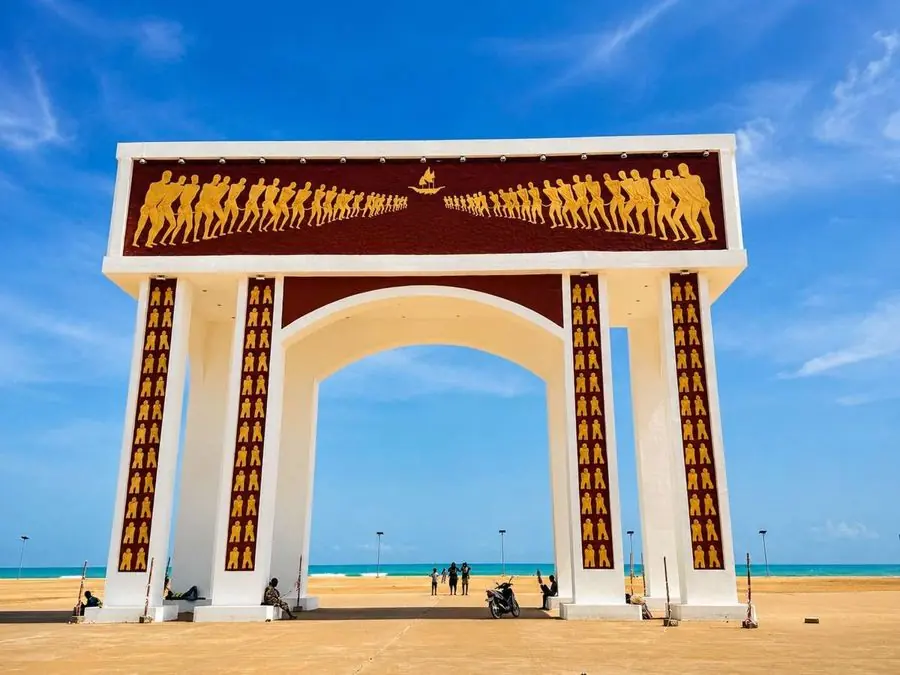
Experience one of Benin’s most important cultural destinations.
Visitors choose Ouidah to discover:
Ouidah offers a unique combination of history, spirituality, and cultural discovery.
Follow the historical path that enslaved people walked to the Atlantic Ocean.
This monument stands for the memory of the slave trade and is one of the most visited sites in Benin.
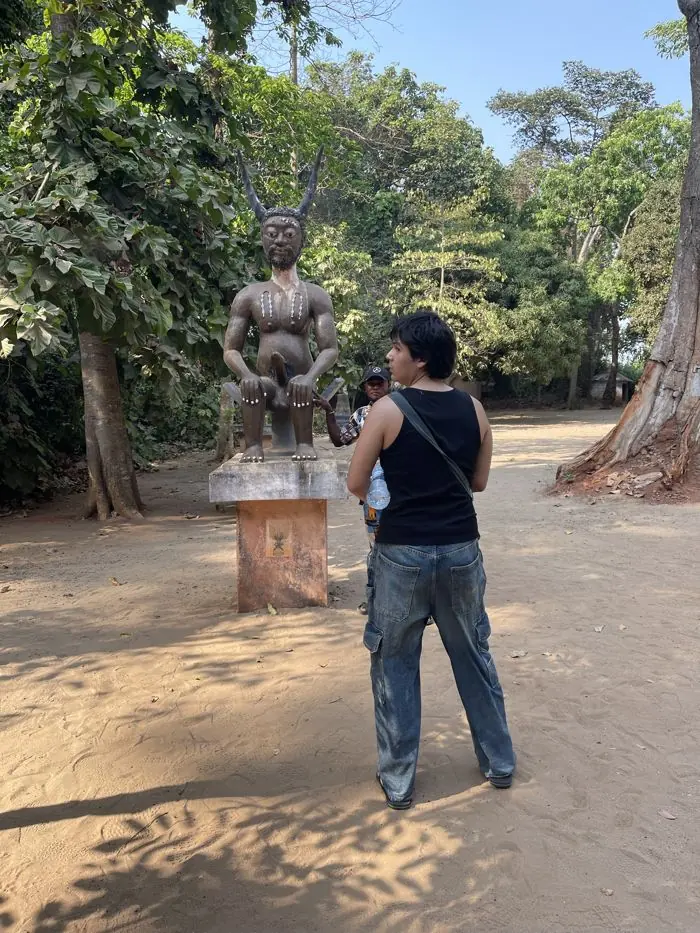
A sacred place that shows the importance of Vodun in Beninese culture.
A spiritual and historical space at the heart of local traditions.
A city shaped by history and memory.
For several centuries, Ouidah was one of the major ports involved in the Atlantic slave trade.
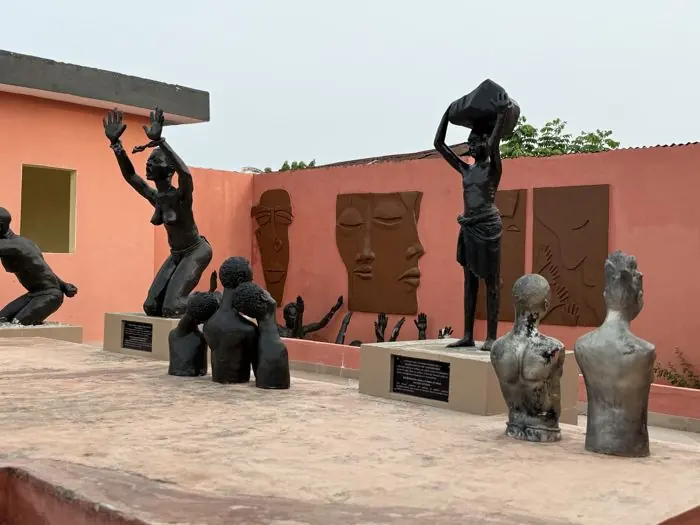
Thousands of enslaved Africans passed through the city before being transported to the Americas. Today, Ouidah preserves this memory through its monuments, museums, and historical sites.
The city has also become an important center for preserving the cultural heritage of Benin and promoting historical awareness.
The Slave Route is one of the most important historical sites in Benin.
Visitors follow the same path that enslaved people once walked before reaching the Atlantic Ocean.
The route includes several monuments and ends at the famous Door of No Return, which has become a symbol of memory and remembrance.
Discover the spiritual heart of Benin.
Ouidah is often considered the spiritual capital of Vodun.
Visitors can discover:
These traditions remain an important part of daily life and cultural identity.
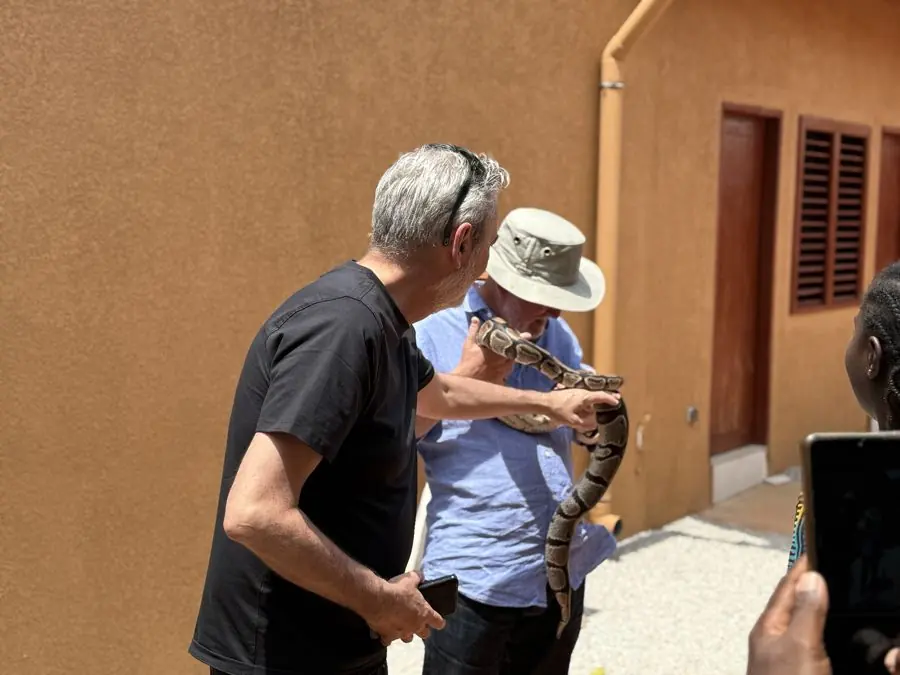
Our guides help visitors understand the history, culture, and spiritual traditions of Ouidah.
Through local knowledge and personal explanations, each tour becomes a meaningful cultural experience.
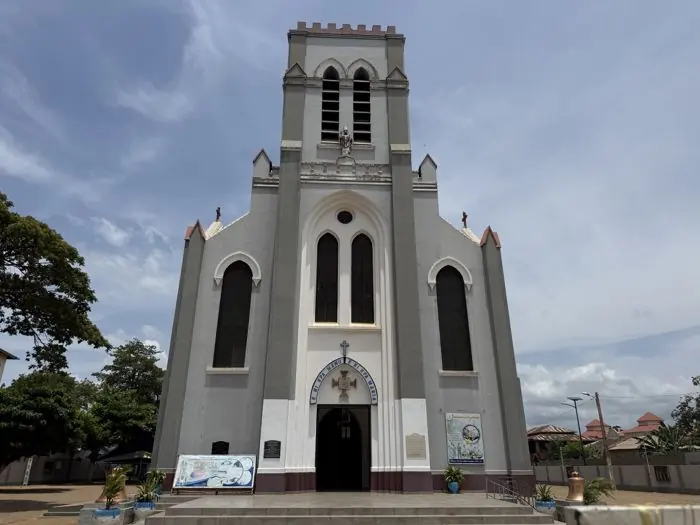
Yes. Ouidah is one of the most important historical and cultural destinations in Benin.
It is the historical path used during the transatlantic slave trade.
Yes. Ouidah is easily accessible as a day trip from Cotonou.
Yes. Ouidah is generally considered a safe destination for visitors.
Yes. Guided tours are available in both English and French.
Yes. The two can be combined in a one-day excursion: the floating village of Ganvié in the morning, then the historical sites of Ouidah in the afternoon.
Ouidah can be visited all year round. The dry season, generally from November to March, offers particularly pleasant conditions. Mornings and late afternoons are often the best moments to enjoy the sites.
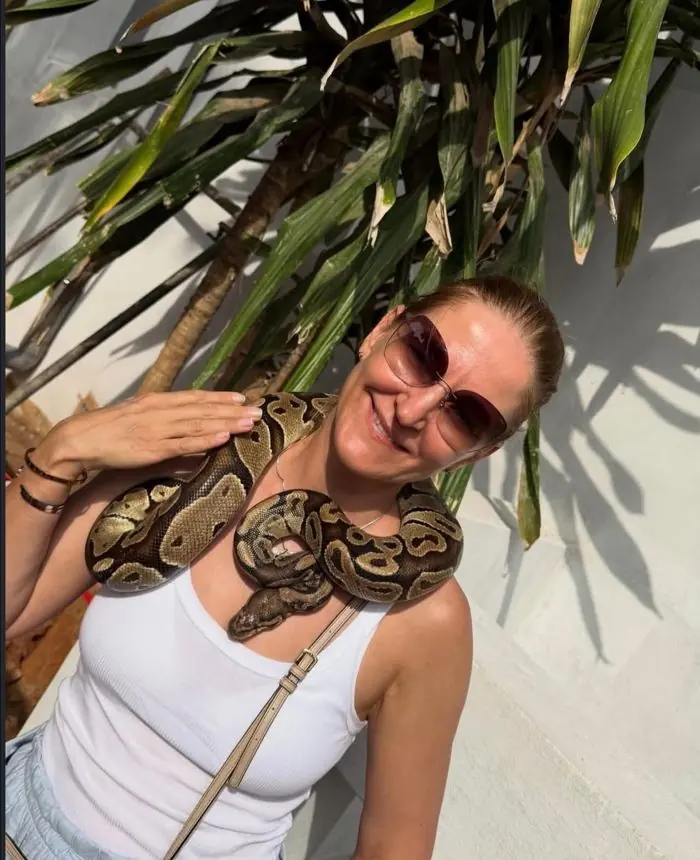
Yes. The Python Temple welcomes visitors throughout the year, subject to opening hours and religious events.
Booking ahead is recommended to guarantee the availability of your guide and to organize your tour properly.
Discover the history, culture, and spiritual traditions of Benin with Visit Ganvié Tourism.
Explore Ouidah with experienced local guides and enjoy an authentic cultural experience.
Discover the unique floating village of Ganvié, its stilt houses and its traditional fishermen. An unforgettable cultural experience.
Learn more →Visit the Ethnographic Museum, the colonial monuments and the cultural richness of Porto-Novo.
Learn more →Explore the royal palaces and discover the fascinating history of the Kingdom of Dahomey.
Learn more →Contact us today to organize your guided tour, your boat excursion or your cultural tour.
WhatsApp: +229 01 96 74 06 13 · Available every day